
Uncategorized
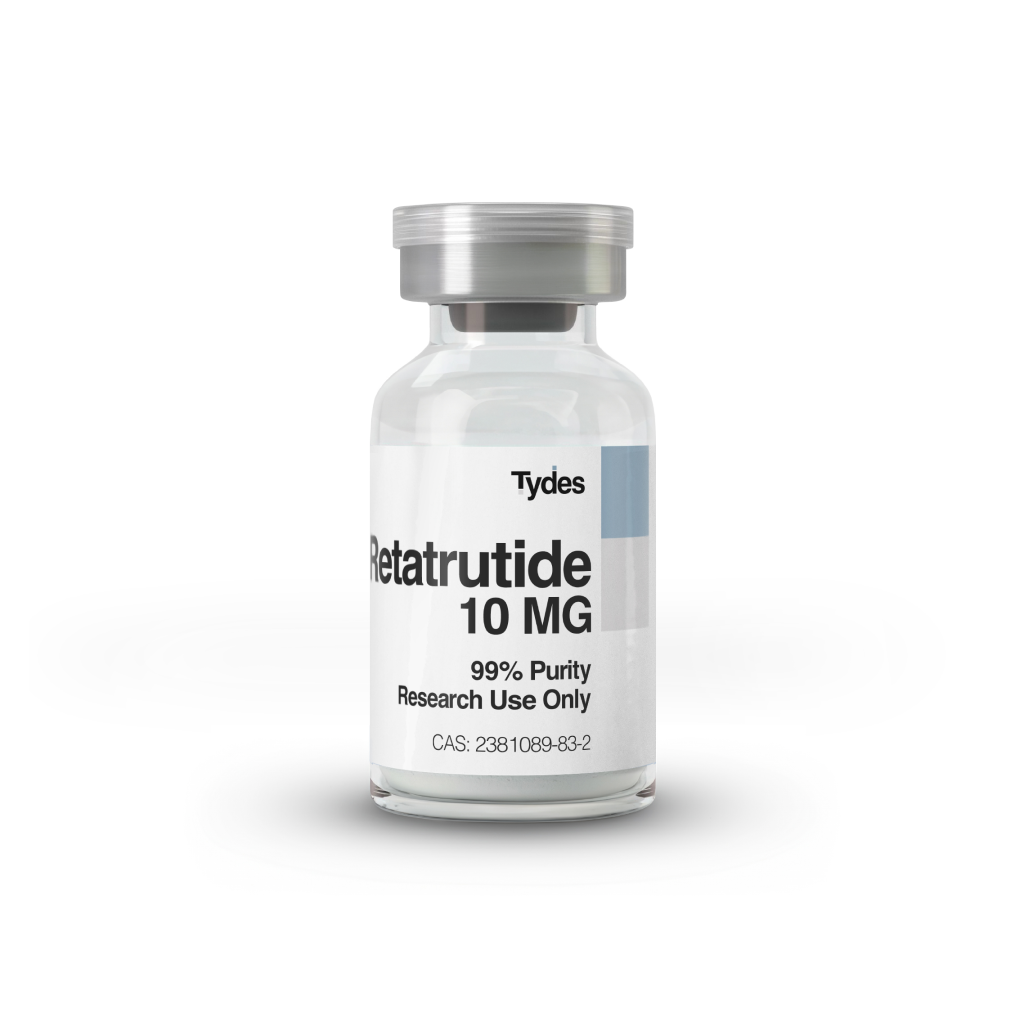
Retatrutide dosage
17
Dec
Dec
Retatrutide dosage
The Science of Retatrutide Dosing: A Breakthrough in Weight Loss and Metabolic Health
In the rapidly evolving landscape of metabolic therapeutics, retatrutide has emerged as one of the most anticipated and powerful agents. As a triple agonist targeting the GLP-1, GIP, and glucagon receptors, its mechanism promises significant benefits for weight management and glycemic control. However, its impressive efficacy is intrinsically tied to a carefully structured and incremental dosing protocol. Understanding this titration schedule is crucial, not only for appreciating the clinical science but also for setting realistic expectations about the treatment journey.
Why Such a Gradual Escalation?
Retatrutide’s dosing schedule, meticulously crafted through extensive clinical trials like the groundbreaking TRIUMPH studies, is not arbitrary. It is a fundamental safety and tolerability feature. By starting with a very low dose, the body is given time to acclimate to the medication, which helps to minimize the gastrointestinal side effects—such as nausea, vomiting, and diarrhea—common to incretin-based therapies. This slow “ramp-up” allows patients to build tolerance, increasing the likelihood they can reach and maintain effective therapeutic doses without discomfort that could lead to discontinuation.
The Standard Titration Schedule
The dosing protocol follows a clear, step-wise path administered via weekly subcutaneous injection:
Initiation Phase (Weeks 1-4): Treatment begins at a very low 2mg dose. This serves as the introductory period where the body begins to adapt.
Escalation Phase (Weeks 5-24): The dose increases at regular intervals, typically every four weeks. The sequence progresses from 2 mg → 4 mg → 8 mg → 12 mg. Each month at a stable dose allows the patient to stabilize before the next increment.
Maintenance Phase (Week 25+): Patients arrive at the target maintenance doses studied for maximal efficacy. In pivotal trials, these were 8mg and 12mg. It’s important to note that not every patient will necessarily require or tolerate the highest dose; the effective maintenance dose is individualized based on therapeutic response and side effects.
The “Why” Behind the Dose-Dependent Response
The clinical data reveals a compelling dose-response relationship. Higher maintenance doses within the studied range have been consistently associated with greater reductions in body weight and HbA1c. For instance, in the TRIUMPH-1 study, participants on the 12 mg dose achieved an average weight loss exceeding 24% after 48 weeks—a result that redefines pharmacotherapy for obesity. This underscores the importance of the titration schedule: it is the necessary pathway to reach these efficacious doses safely.
Individualization is Key
While the protocol is standardized, its application is not. A prescribing physician’s role is to tailor this schedule to the individual patient. Factors necessitating a slower titration or a pause at a lower maintenance dose include:
Pronounced Side Effects: Persistent GI issues may warrant extending the duration at a current dose before escalating.
Clinical Response: A patient achieving excellent metabolic and weight loss goals at 8 mg may not need to move to 12 mg.
Other Health Conditions and Medications: A patient’s overall health profile must always inform treatment decisions.
A Note of Caution and Responsibility
Retatrutide is a prescription medication for a reason. It is not suitable for everyone, including those with a personal or family history of certain thyroid cancers (medullary thyroid carcinoma) or patients with pancreatitis. Self-adjusting doses or sourcing the medication from unregulated outlets is extremely dangerous and can lead to severe adverse outcomes.
The Bottom Line
The structured dosing of retatrutide is a testament to precision medicine—it balances potent biological action with patient tolerability. For those considering or beginning this treatment, patience is essential. The journey starts low and goes slow, but this methodical approach is designed to safely unlock the compound’s profound potential for transforming metabolic health and facilitating substantial, sustained weight loss. Always engage in open dialogue with your healthcare provider, who can navigate this protocol with you, ensuring a safe and effective path toward your health objectives.
Disclaimer: This post is for informational purposes only and does not constitute medical advice. Retatrutide is an investigational drug and is not yet approved for clinical use by regulatory authorities like the FDA or EMA. All treatment decisions must be made in consultation with a qualified healthcare professional.
